Loading…
Back to Blog
Top Halal Trade Shows 2026: The Complete Calendar for Exhibitors and Buyers
Ahmad Fauzi RahmanMarch 18, 20268 min readEvents Shows
From MIHAS in Kuala Lumpur to Gulfood in Dubai and Anuga in Cologne, the global halal trade show circuit spans six continents and billions in potential deals. This is the definitive 2026 calendar for halal industry professionals — with booth costs, audience profiles, and ROI guidance for first-time exhibitors.
Editorial note: Market figures cited in this article are estimates based on publicly available industry reports and may vary by source. HalalExpo.com aims to present the most current data available but readers should verify figures for business decisions. Sources include the State of the Global Islamic Economy Report, DinarStandard, and national halal authority publications.
Why Halal Trade Shows Still Matter in a Digital World
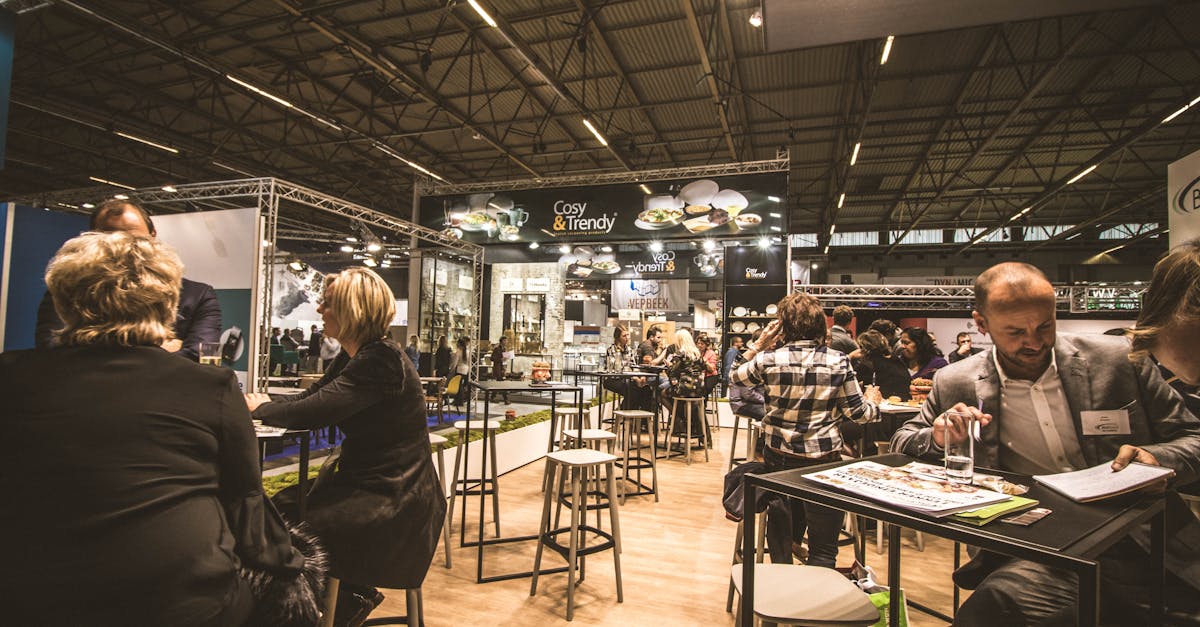
The halal industry is a relationship business. Buyers in the GCC and Southeast Asia make sourcing decisions based on trust built face-to-face. Certifiers meet their most important clients at exhibitions. Regulatory bodies announce policy changes on conference stages. In a sector where a single contract can be worth millions and where supply chain integrity is paramount, trade shows remain one of the most efficient customer acquisition channels available.
The 2026 halal trade show calendar is the strongest in years. Post-pandemic recovery is complete, international travel has normalised, and several major shows have expanded their floorspace and programming. Here are the 15 events every halal industry professional should have in their diary.
Tier 1: Must-Attend Global Events
1. MIHAS — Malaysia International Halal Showcase
- Location: Kuala Lumpur Convention Centre, Malaysia
- Dates: April 2026 (typically mid-April, 4 days)
- Audience: 50,000+ trade visitors from 70+ countries; 1,000+ exhibitors
- Focus: All halal sectors — food, pharma, cosmetics, logistics, finance, modest fashion
- Booth cost: ~USD $3,000–$8,000 for a standard shell scheme
- Who should attend: Any exporter targeting Southeast Asia or looking for Asian halal buyers. JAKIM presence means certification decisions happen here. Best show for first-time halal exhibitors from the West.
- ROI tip: Pre-register for the MIHAS Business Matching programme — it generates pre-scheduled buyer meetings and dramatically improves ROI versus floor walking alone.
2. Gulfood — Dubai World Trade Centre
- Location: Dubai World Trade Centre, UAE
- Dates: February 2026 (typically 5 days, third week)
- Audience: 100,000+ trade visitors; 5,500+ exhibitors from 120+ countries
- Focus: Food and beverage — the world's largest annual food trade show
- Booth cost: USD $10,000–$40,000+ depending on pavilion and stand size
- Who should attend: GCC market entry is the primary objective. UAE, Saudi, Kuwait, Bahrain buyers attend in significant numbers. All major Middle East retail chains have buying teams here.
- ROI tip: Book with your country's national pavilion (if available) — shared stands dramatically reduce cost, and buyers trust national pavilion exhibitors more readily. The Food Africa and Global Sourcing forums are where deal conversations start.
3. SIAL Middle East — Abu Dhabi
- Location: Abu Dhabi National Exhibition Centre (ADNEC), UAE
- Dates: December 2026 (typically first week)
- Audience: 35,000+ visitors; 1,500+ exhibitors
- Focus: Food and beverage for the Middle East and Africa
- Booth cost: USD $5,000–$15,000
- Who should attend: Producers targeting UAE, Oman, and Levant markets. SIAL ME is smaller than Gulfood but the buyer quality is high and the show is more accessible for SME exhibitors.
- ROI tip: Follow up Gulfood leads here. Many buyers who met you in February use SIAL ME to finalise purchasing decisions for Q1 of the following year.
4. Anuga — Cologne, Germany
- Location: Koelnmesse, Cologne, Germany
- Dates: October 2025 (biennial — next edition October 2027; relevant for planning)
- Audience: 170,000+ visitors; 7,400+ exhibitors from 100+ countries
- Focus: Food and beverage — the world's largest food trade fair (biennial)
- Booth cost: USD $15,000–$60,000+
- Who should attend: Producers targeting European retail and food service. Anuga is biennial — if you are planning European market entry, this is the centrepiece event.
- ROI tip: Apply early (12–18 months). The best pavilion spaces sell out quickly. Attend the Anuga FoodTec satellite event (March, biennial) for technology and processing focus.
Tier 2: High-Value Regional Events
5. FHA-Food & Beverage — Singapore
- Location: Singapore EXPO
- Dates: April 2026
- Audience: 50,000+ visitors; 3,000+ exhibitors
- Focus: Food and hospitality for Asia-Pacific
- Booth cost: USD $4,000–$12,000
- Who should attend: Producers targeting ASEAN retail, hotel, and food service sectors. Singapore's position as a regional HQ hub means major F&B brands have buying teams here.
6. World Halal Summit — Istanbul
- Location: Istanbul, Turkey
- Dates: November 2026
- Audience: 15,000+ trade visitors; 500+ exhibitors
- Focus: Halal industry across all sectors with strong academic and standards focus
- Booth cost: USD $2,500–$6,000
- Who should attend: Companies targeting Turkey and the broader OIC (Organisation of Islamic Cooperation) market. Excellent for certification body networking and policy intelligence.
7. Saudi Food Show — Riyadh
- Location: Riyadh International Convention & Exhibition Center, Saudi Arabia
- Dates: October 2026
- Audience: 25,000+ visitors; 600+ exhibitors
- Focus: Food and beverage for the Saudi market
- Booth cost: USD $4,000–$10,000
- Who should attend: Producers specifically targeting Saudi Arabia. With Vision 2030 driving food security investment and domestic food production, this show is growing rapidly in importance.
8. HOFEX — Hong Kong
- Location: Hong Kong Convention and Exhibition Centre
- Dates: May 2026
- Audience: 40,000+ visitors; 2,500+ exhibitors
- Focus: Food, hospitality, and equipment for Asia
- Booth cost: USD $4,500–$13,000
- Who should attend: Producers targeting Greater China, Japan, and South Korea through Asian distributor networks. Halal products are increasingly in demand at HOFEX as Asian food service operators serve more Muslim tourists.
9. Indonesia Halal Expo (IHALEX)
- Location: Jakarta Convention Center, Indonesia
- Dates: September 2026
- Audience: 20,000+ visitors; 400+ exhibitors
- Focus: All halal sectors for the world's largest Muslim-majority market
- Booth cost: USD $1,500–$5,000
- Who should attend: Any producer seeking entry to the Indonesian market (270M population, 87% Muslim). BPJPH presence makes this a certification intelligence hub.
10. Pakistan International Halal Conference & Expo
- Location: Lahore or Karachi (rotates)
- Dates: March 2026
- Audience: 10,000+ visitors; 300+ exhibitors
- Focus: Halal food and consumer goods for Pakistan and South Asia
- Booth cost: USD $800–$3,000
- Who should attend: Companies targeting Pakistan's fast-growing middle-class consumer market. Lower cost per lead than most other major halal shows.
Tier 3: Specialist and Emerging Shows
11. The Big 5 Construct — Dubai
Primarily construction, but has a growing halal materials and interior design section relevant to halal hospitality developers.
12. Halal Expo Japan — Tokyo
Focused on Japan's inbound halal tourism market. Small but strategic for food service companies targeting Japan's Muslim visitor infrastructure.
13. ProSweets Cologne (alongside ISM)
Europe's trade show for confectionery ingredients and production — a key event for halal confectionery manufacturers seeking European distribution.
14. Arab Health — Dubai
Healthcare and pharmaceuticals. Critical for halal pharma companies seeking GCC distribution partners.
15. Cosmoprof Asia — Hong Kong
The leading beauty and personal care trade show in Asia. Halal cosmetics is a growth segment here, with dedicated halal beauty sections expanding annually.
2026 Trade Show Calendar Summary
| Month | Event | Location |
|---|---|---|
| February | Gulfood | Dubai, UAE |
| March | Pakistan Halal Expo | Lahore/Karachi |
| April | MIHAS, FHA Singapore | Kuala Lumpur / Singapore |
| May | HOFEX | Hong Kong |
| September | IHALEX | Jakarta, Indonesia |
| October | Saudi Food Show | Riyadh, Saudi Arabia |
| November | World Halal Summit | Istanbul, Turkey |
| December | SIAL Middle East | Abu Dhabi, UAE |
ROI Tips for First-Time Halal Exhibitors
- Pre-schedule meetings before you arrive. Most major shows have hosted buyer programmes or business matching platforms. Arrive with 15–20 pre-scheduled meetings and treat walk-up traffic as a bonus.
- Bring physical product samples. In halal industries especially, buyers want to taste, smell, and handle your product. Samples convert at dramatically higher rates than brochures.
- Have your halal certificate prominently displayed. In a halal trade show context, your certificate is your most important sales document. Frame it and display it at eye level.
- Staff your stand with someone who speaks the local language. At MIHAS, Bahasa Malaysia/Indonesian is a significant advantage. At Gulfood, Arabic is valuable. Buyers relax in their own language.
- Follow up within 48 hours of the show. Trade show leads have a short half-life. A personalised follow-up email within two days of meeting significantly improves conversion rates.
- Budget for the full cost. Stand costs are typically 30–40% of total exhibition budget. Add freight, samples, travel, accommodation, visa costs, and staff time to get the real number before committing.
For Halal Businesses
Is your business listed on HalalExpo?
Join 5,198 halal companies. Claim your free listing and connect with buyers worldwide.
More from Events Shows
Events Shows
Networking Strategies That Actually Work at Halal Industry Events
Practical networking advice for halal industry professionals attending trade shows, expos, and conferences. Learn how to prepare, connect, and follow up effectively.
H
HalalExpo Editorial TeamEvents Shows
Attending a Halal Trade Show as a Visitor: How to Maximise Value
A practical guide for visitors attending halal trade shows for the first time. Covers pre-show research, navigating the floor, evaluating exhibitors, and building lasting business relationships.
A
Aisha RahmanEvents Shows
Halal Expo Exhibitor Tips: How to Stand Out and Win More Buyers
Practical advice for companies preparing to exhibit at halal trade shows — from booth setup and certification display to lead qualification and post-show follow-up. Covers what experienced exhibitors do differently.
A
Ahmad KamalEvents Shows
Virtual Halal Exhibitions: Are Online Trade Shows Worth It?
An honest assessment of virtual halal trade shows and online exhibition platforms. Covers what works, what does not, and how to decide between virtual and physical attendance.
F
Fatima ZahraEvents Shows
How to Exhibit at Halal Trade Shows: A Complete Guide for First-Time Exhibitors
Everything first-time exhibitors need to know about participating in halal trade shows. Covers booth planning, budget allocation, lead capture strategies, and post-event follow-up for maximum ROI.
H
HalalExpo Editorial TeamRelated Resources
More in This Category
- MIFB Malaysia 2026: The Complete Halal Buyer's Playbook (July 2026)
- Global Halal Summit (GHaS) Kuala Lumpur 2026: The Buyer's Playbook (September 2026)
- Philippines Halal Expo 2026: The Complete Buyer's Playbook (November 2026)
- Saudi International Halal Expo 2026: The Complete Buyer's Playbook (October 2026)